Texas Politician Prediction Markets & 2026 Odds
A page for each Texan a prediction market prices: officeholders and candidates in the state's races. Each states the office or candidacy from the public record and the contracts that involve the person.
People
2 people| Portrait | Person | Named in | Since |
|---|---|---|---|
| GH | Gina HinojosaMember of the Texas House of Representatives (District 49) | Texas Senate Odds 2026 — settled · Democratic Party settled yes · 1 more · 10 stories | In office since |
| JT | James TalaricoMember of the Texas House of Representatives (District 50) | Texas Senate Odds 2026 — settled · Democratic Party settled yes · 1 more · 11 stories | In office since |
Top stories
All Texas news →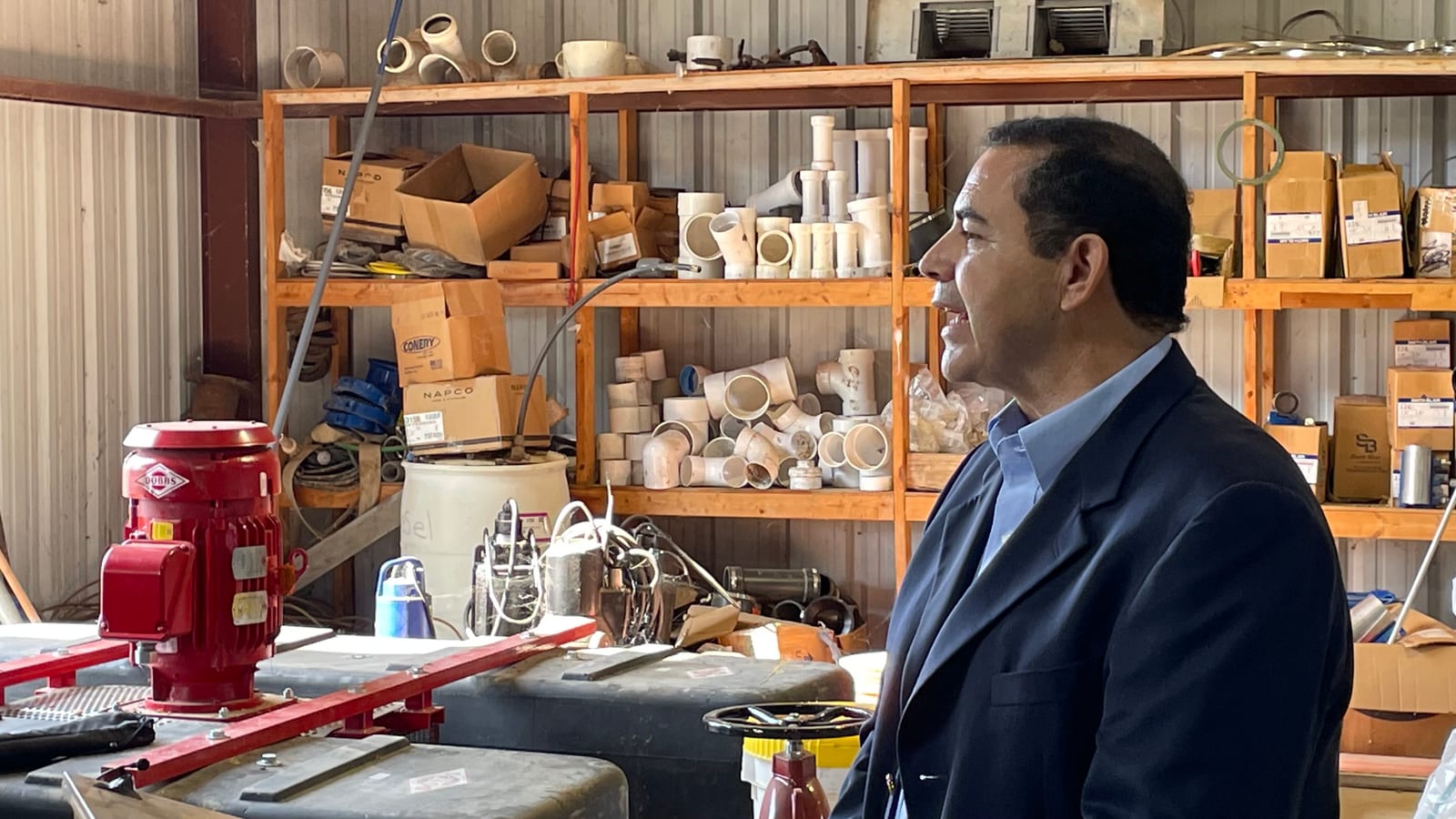 Local news
Democrats Lead 14 of Texas's 38 House Seats, and the Markets Missed Only Two Races, Both Toward Democrats
Polymarket had the Republican Party at 75% in TX-9 and 55% in TX-23 on November 2, 2026, and Democrats lead both, so the House boards picked twelve of fourteen winners and erred only in the direction of the statewide swing.
Photo: Lance Cheung / U.S. Department of Agriculture, public domain, via Wikimedia Commons · Wikimedia Commons (U.S. Department of Agriculture)
 Local news
Padilla Stout Flipped TX-23 for the Democrats After the Market Spent October Pricing Herrera as the Favorite
Polymarket had the Republican Party at 55% in TX-23 on November 2, 2026, down from 72% on Kalshi two weeks earlier, so the eight-point Democratic win finished a late swing that the price followed most of the way and never completed.
Photo: Gage Skidmore / Wikimedia Commons, CC BY-SA 4.0
 Local news
Talarico Won the Texas Senate Seat as the Market's Favorite, by a Margin the Price Never Showed
Kalshi had the Democratic Party at 72% for the Senate seat on November 2, 2026, so Talarico's twelve-point unofficial win confirms the favorite while showing how little a winner-take-all price says about the size of a result.
Photo: H. Michael Karshis / Wikimedia Commons, CC BY 4.0
What the Texas People Index Holds
The first pages are the Democratic nominees in the two statewide races on the 2026 ballot, Gina Hinojosa for governor and James Talarico for the U.S. Senate, and each states its race's result as the Associated Press called it, with its source. A Texan gets a page when two things hold: a Texas contract on this site names them or prices a race they are in, and their office or ballot line can be read from an official record, meaning Wikidata checked against the office's own site, the Clerk of the House's member list or the candidate filings at the Texas Secretary of State and the Federal Election Commission. The register is offices, not markets: the Governor of Texas, the U.S. Senate seat on the state's 2026 ballot, the members Texas sends to the U.S. House from its 38 districts, and any legislator or city official a contract is written about. The Texas race contracts settle on the party of the winner rather than on a named candidate, and a candidate's page says so. The Texas governor market page and the Texas Senate market page carry the statewide contracts those two pages describe, and the elections ballot lists the races.
What Changes the Texas People Index
A person is added when a qualifying contract appears and the office claim can be sourced, never from a display label alone, because an exchange can print a candidate's name on a contract that settles on a party. An existing page changes on dated events: a certified result, an oath of office, a resignation, an appointment or a new contract naming the person. The office line is rechecked at every review against Wikidata and the office's own record, and a projection is never written up as a result. A national contract about a Texan appears on the person's page as a named market linking to Prediction Genius, never as a Texas market page.
Why Texas Politician Prediction Markets
A contract on a race pays a fixed amount on the outcome the exchange's rules name, so its price is a probability, updated as news arrives rather than on a pollster's schedule. A person page does not quote that price: it carries what the contract asks, what it settles on and which exchange lists it; the market page carries the live figure, each venue's number under its own name. For the Texas races here, settlement means the party of the winner, called by the reporting each exchange's rules accept or taken from the official result, and sworn in where a contract's rules say so. Nothing here grades a politician or takes a side: the record states the office, the race and the contract, and the market the rest.
Questions readers ask
How do prediction markets on politicians work?
A contract names an outcome about a race or an office, such as which party would win the Texas governor's race on November 3, 2026, and pays a fixed amount if it happens. Its price is the share of that payout traders are paying, so it reads as an implied probability, and it settles on the result the exchange's rules name, not on a poll or a projection.
Which Texas politicians have prediction markets?
The candidates and officeholders in the races Texas contracts price: in 2026 the Governor of Texas, the Senate seat on the state's ballot and the state's seats in the U.S. House, all priced by party rather than by name. A person appears here once a contract involves them and an official record such as Wikidata, the Clerk of the House or the Texas Secretary of State confirms their office.
Do Texas election contracts settle on the candidate or the party?
The party. Every Texas race contract priced on this site resolves on the party of the winner, as each exchange's rules state, and a candidate's name on a contract is a label; on the Senate contract a replacement nominee before Election Day carries it with the party. The trigger is the result, called by the reporting each exchange's rules accept or taken from the official result.
Where can I trade markets on Texas politicians?
On the exchange that lists the contract. The Texas race contracts on this site were listed on Kalshi and Polymarket, and each market page names the venue behind every figure it shows. Texas Predictions is not an exchange, runs no market and takes no trades.
Are prediction markets on politicians legal in Texas?
The legal status page answers that from the record: it reports what Texas statutes, regulators and courts have said about prediction-market exchanges as of a stated date and draws no conclusion beyond it. This index does not decide the question, and nothing on Texas Predictions is legal advice.